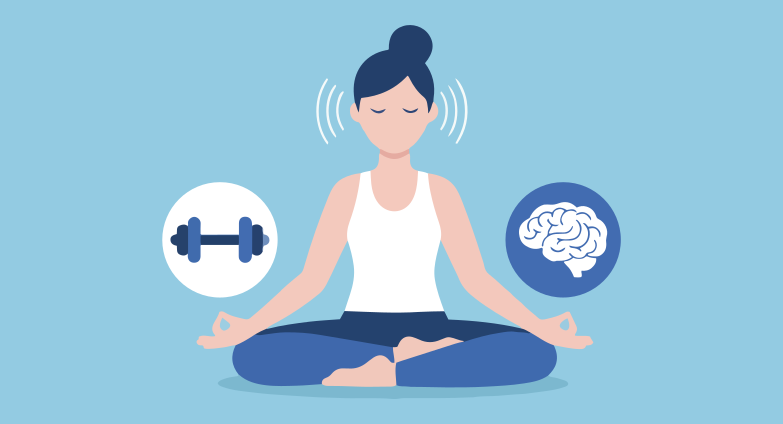
When it comes to achieving fitness goals, the connection between mental and physical health plays a crucial role. Often, we focus solely on physical exercise, neglecting the significant impact our mental state has on our overall well-being. Understanding the mind-body connection can help you unlock a more balanced and effective fitness routine. This guide will explore how mental health influences physical fitness and offer practical tips to integrate mental well-being into your exercise regimen.
Once you recognize the importance of mental health, you can enhance your physical fitness results and lead a healthier, more fulfilling life. So, let’s dive into the fascinating relationship between your mind and body and learn how to make the most of it.
Understanding the Mind-Body Connection
The mind-body connection is a fascinating and intricate relationship that plays a significant role in our overall health and fitness. Mental states have a profound influence on physical performance, and understanding this connection can help you optimize your fitness routine.
When we experience positive emotions, our body responds in kind. Mental states such as happiness, optimism, and calmness can lead to enhanced physical performance. This happens because positive emotions trigger the release of neurotransmitters and hormones that improve focus, energy levels, and overall bodily function. For instance, endorphins, often referred to as "feel-good" hormones, are released during exercise, boosting mood and reducing the perception of pain. Dopamine, another crucial neurotransmitter, enhances motivation and reward, encouraging you to push harder and achieve your fitness goals.
Conversely, negative emotions can have detrimental effects on physical health. Stress, anxiety, and depression can lead to the release of cortisol and adrenaline, hormones that prepare the body for a "fight or flight" response. While this response is useful in short bursts, chronic stress can lead to prolonged elevated levels of these hormones, which negatively impact physical health. High cortisol levels can suppress the immune system, increase blood pressure, and contribute to weight gain, particularly in the abdominal area. Adrenaline can cause muscle tension, headaches, and a decreased ability to recover from workouts.
The impact of mental states on recovery is also significant. Positive mental states can speed up recovery by promoting relaxation and reducing muscle tension, allowing the body to heal more efficiently. On the other hand, negative emotions can prolong recovery times and increase the risk of injury. Stress and anxiety can cause muscle stiffness and pain, making it harder to bounce back from intense workouts or injuries.
The Impact of Stress on Physical Fitness
Stress is an inevitable part of life, but its impact on physical fitness is often underestimated. When you experience stress, your body releases hormones like cortisol and adrenaline, which are designed to help you cope with immediate challenges. While these hormones are essential for short-term survival, chronic stress can lead to significant health issues.
Cortisol, commonly known as the stress hormone, is beneficial in small amounts, helping to regulate metabolism, reduce inflammation, and control blood sugar levels. However, when stress becomes chronic, elevated cortisol levels can have adverse effects on physical health. High cortisol can lead to increased fat storage, particularly around the abdomen, contributing to weight gain. This hormone also affects your muscles, breaking down muscle tissue for energy and hindering muscle growth and repair. Over time, chronic stress can weaken the immune system, making you more susceptible to illnesses and infections.
Adrenaline, another stress hormone, prepares the body for a "fight or flight" response by increasing heart rate, blood pressure, and energy supplies. While this is useful in emergency situations, prolonged exposure to adrenaline can lead to muscle tension, headaches, and a heightened state of alertness that prevents relaxation and recovery. Constant muscle tension can cause pain and discomfort, reducing your ability to perform exercises effectively and increasing the risk of injury.
Stress also has a direct impact on your eating habits. Many people turn to food for comfort when stressed, often choosing high-calorie, sugary, or fatty foods. These unhealthy eating habits can lead to weight gain and make it harder to achieve fitness goals. Additionally, stress can disrupt sleep patterns, leading to poor quality sleep or insomnia. Lack of sleep further exacerbates stress levels and impairs physical performance, as your body relies on sleep to repair and build muscle tissue.
Mental Health Benefits of Regular Exercise
Engaging in regular exercise offers significant benefits for mental health. One of the most notable is the reduction of anxiety and depression symptoms. Exercise triggers the release of endorphins, the body's natural mood elevators, creating feelings of happiness and euphoria. Additionally, it stimulates the production of serotonin and norepinephrine, which help regulate mood and combat depression.
Exercise also improves mood and cognitive function. Physical activity increases blood flow to the brain, enhancing brain function and protecting against cognitive decline. This leads to better memory, sharper thinking, and improved problem-solving skills.
Moreover, regular exercise enhances sleep quality by regulating the body's internal clock, making it easier to fall asleep and stay asleep. Better sleep contributes to improved mood, cognitive function, and overall energy levels.
Tips for Integrating Mental Health into Your Fitness Routine
Integrating mental health practices into your fitness routine can significantly enhance both your mental and physical well-being. One effective method is incorporating mindfulness practices and meditation. These techniques help you stay present and focused during your workouts, reducing stress and promoting relaxation. Simple mindfulness exercises, such as deep breathing or body scanning, can be done before, during, or after your workouts to calm the mind and enhance your overall experience.
Setting realistic goals and practicing positive self-talk are also crucial for maintaining a healthy mindset. Establishing achievable fitness goals can keep you motivated and prevent feelings of frustration or burnout. Positive self-talk, where you encourage and affirm yourself, boosts confidence and helps maintain a positive attitude toward your fitness journey. This mental practice can make a significant difference in your perseverance and enjoyment of physical activities.
Finding joy in physical activities is another essential aspect of integrating mental health into your fitness routine. Choose exercises that you genuinely enjoy, whether it's dancing, hiking, swimming, or yoga. Engaging in activities you love makes it easier to stay consistent and view exercise as a rewarding and enjoyable part of your day. Mixing up your routine to include a variety of activities can also keep things interesting and prevent boredom.
Creating a Balanced Fitness Plan
Creating a balanced fitness plan involves combining physical exercise with activities that support mental health. Integrating practices like yoga or tai chi into your routine can promote both physical fitness and mental relaxation. These activities focus on mindful movement and deep breathing, offering a holistic approach to health.
Rest and recovery are also crucial components of a balanced fitness plan. Understanding the importance of rest allows your body to heal and build strength, preventing injuries and improving performance. Incorporating rest days and using techniques like stretching, foam rolling, or gentle yoga can aid in effective recovery.
Sometimes, seeking professional help is necessary to achieve the best results. Consulting fitness trainers or mental health professionals can provide personalized guidance and support tailored to your specific needs. Whether you need help with exercise techniques or managing stress, professional advice can ensure you're on the right track.
Once you understand the mind-body connection, you are sure to achieve success with your fitness goals. Incorporating mental health practices into your exercise routine, you can enhance both physical and mental well-being. Start prioritizing both today for a healthier, more fulfilling life.
Follow Virtual Codes Vault for more insightful fitness blogs like this one.